

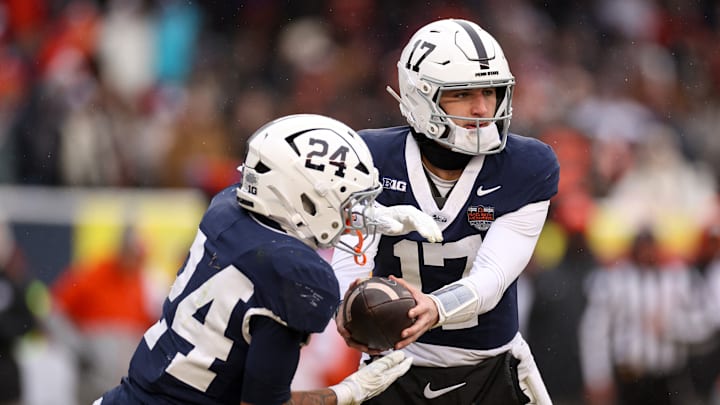
Clemson’s 22–10 loss to Penn State in the Pinstripe Bowl offered a clear snapshot of where the program stands — competitive, disciplined, but still searching for separation in games decided by execution and explosiveness.
For three quarters, Clemson proved it could control tempo against a comparable opponent. The defense limited Penn State to field goals, avoided catastrophic mistakes, and kept the Tigers within one possession deep into the fourth quarter. In isolation, that’s encouraging. It reflects a team that still understands how to win the physical battle and stay connected when points are hard to come by.
But the final quarter exposed the gap Clemson must close moving forward.
One blown coverage turned a manageable game into a chase, and Clemson lacked the offensive firepower to respond. The Tigers finished with one touchdown and no passing scores, underscoring an ongoing issue: when the margin tightens, Clemson still struggles to manufacture explosive answers on demand.
The loss also reinforced how thin Clemson’s error margin has become in postseason settings. With no turnovers and limited penalties, the Tigers played “clean” football — yet still lost by double digits. That reality highlights how execution, not effort, separates bowl winners from bowl survivors.
From a program perspective, the result doesn’t erase progress made throughout the season, but it sharpens the offseason focus. Clemson must generate more explosive plays, protect the quarterback in obvious passing situations, and finish drives with touchdowns rather than field goals.
The Pinstripe Bowl didn’t signal collapse. It clarified expectations. Clemson is close — but “close” is no longer enough in games decided by moments.
 Add us as a preferred source on Google