

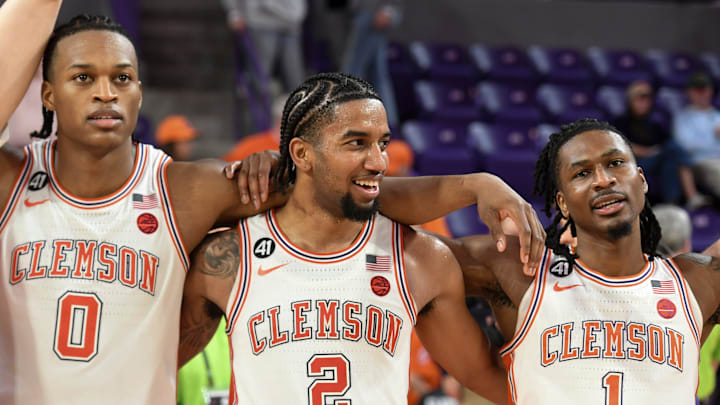
The NCAA Tournament is around the corner, but for Clemson head coach Brad Brownell, the madness has already begun behind closed doors. With the changing tide of college athletics heading toward a more formal revenue-sharing plan behind the scenes, Brownell and Athletic Director Graham Neff are on the front lines of budgeting for the 2026-27 season from the start.
This is a game where an athletic program, a program at a college whose football machine dominates in numbers, like that of Dabo Swinney’s football, that has Dabo Swinney’s football machine accounting for the lion’s share of its resources, is finding the math tough for the NCAA Tournament now.
Brownell is not delusional about where he ends up in the pecking order. Speaking on Monday’s weekly ACC Coaches Zoom call, he spoke candidly about the unique challenges of establishing a consistent winner in the shadow of Death Valley.
“There are going to be difficulties for sure,” Brownell said. “Now, this is Clemson, and football is an integral part of what this university is.”
That is just the way it is. You know that when you’re the basketball coach.”
As revenue-sharing is going to eat into margins in athletic departments, Brownell probably works with a limited budget compared to the basketball-oriented peers of the ACC. The Tigers’ all-time winningest coach insists the lines of communication with Neff are in the open.
“Well, he is my boss, so my recommendation is a lot,” Brownell joked. “Graham will do whatever he thinks works in the best interest of the university and will do what he can to support men’s basketball.”
The finance discussion now is turning into a big, tough one. Clemson will lose a very large portion of its core, as RJ Godfrey, Blake Davidson, Dillon Hunter and Jestin Porter all run out of eligibility this spring. Brownell has a high school recruiting class to which he’s excited, but he knows that “the Clemson Model” in the 21st century necessitates a dip into the transfer portal in an effort to find veteran production.
“There’s really no doubt we’ve got to add some portal players,” Brownell said. “We’re losing a good number of seniors … we are going to need older, mature guys to help add value to what’s going to be a young team next year.”
Even with the off-court questions looming, the Tigers (21-8, 11-5 ACC) are competing for so much more than what the team can afford. Clemson is now basically a lock for its third straight NCAA Tournament trip, a victory designed to secure a program in the franchise’s most consistent time in many years, following a gutsy win over Louisville.
The Tigers are still scrambling to capture a top-4 seed and double-bye at next week’s ACC Tournament in Charlotte. For Brownell, the simple target is the same: Not to allow the financial reversal to hold back the momentum of the program.
“We’ve been very competitive here recently, and I don’t think we want to go backwards,” he said.
 Add us as a preferred source on Google